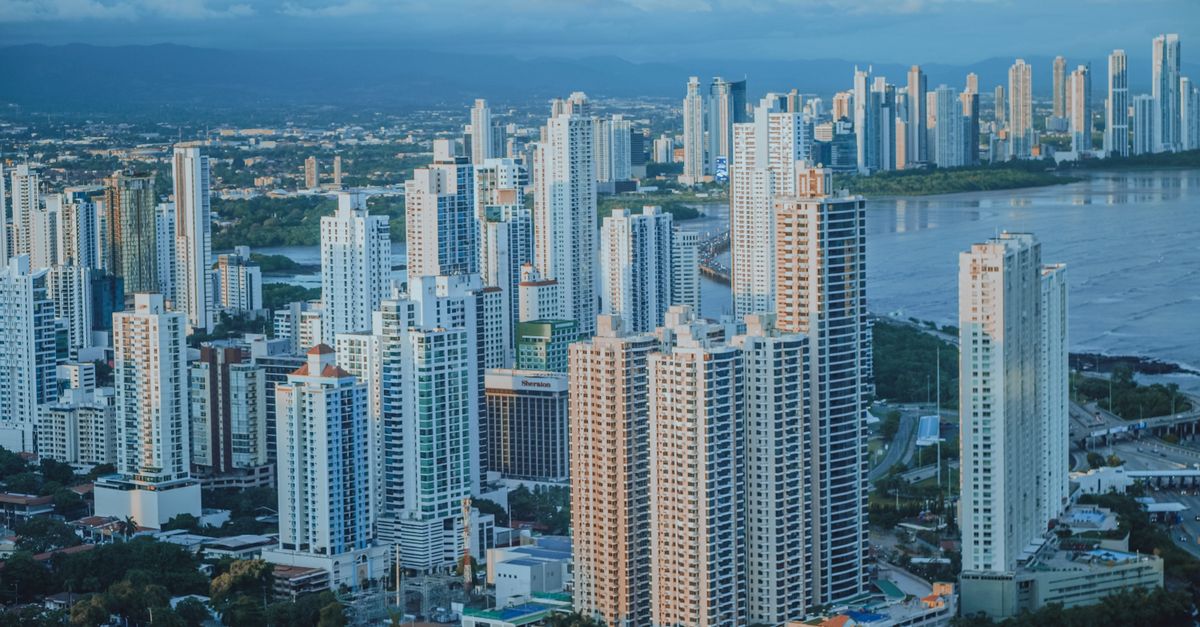
Caracas functions within one of the most unstable economic and political environments in recent memory, and organizations operating there — from retailers and healthcare providers to logistics companies, utilities, and NGOs — find that success hinges less on flawless forecasting and more on recognizing clear signals that operational resilience is holding up amid swiftly shifting demand. This article highlights those signals, clarifies their importance, and offers concrete examples, data-driven indicators, and practical steps that managers can apply to track and reinforce resilience.
Background Context
Caracas is the political and commercial heart of Venezuela, concentrating a large share of the country’s population, skilled labor, and consumption. Over the last decade the national economy experienced deep contraction, currency instability, fuel and power supply disruptions, and shifting regulatory conditions. Urban services face intermittent power outages, sporadic fuel availability, stretched public transport, and constrained foreign-exchange access. At the same time, residents and businesses have developed adaptive behaviors: informal supply networks, multi-currency transactions, localized manufacturing, and widespread use of mobile messaging and digital platforms to coordinate commerce and logistics.
How operational resilience is defined in Caracas
Operational resilience refers to an organization’s capacity to sustain customer service and swiftly restore performance even when facing abrupt demand surges, supply-chain setbacks, or system breakdowns. In fast-shifting markets such as Caracas, resilience is reflected not only in enduring disruptions but also in reliably maintaining output under pressure and adapting capacity up or down with minimal expense and slowdown.
Essential indicators showing that resilience is effectively taking hold
Multi-source supply chains are active and balanced. A resilient operator maintains multiple suppliers across geographies and channels. Evidence: regular orders flowing to both local suppliers and import partners, plus short-notice substitution rates that remain low because backup suppliers are pre-qualified.
Inventory stance calibrated for volatility. Inventory is not merely “high” or “low”; it is overseen through continuous, responsive management. Key indicators include targeted days of inventory for critical SKUs, regular cycle counts, and a demonstrable drop in stockouts during demand surges.
Energy and ICT redundancy in daily use. Routine deployment of backup energy systems (generators, UPS units, solar microgrids) along with multiple internet connections demonstrates strong readiness. Signal: consistent service performance throughout widespread outages supported by clearly defined mean time to recovery (MTTR) goals.
Demand-sensing and short-lead ordering are embedded. Organizations replace long fixed forecasts with near-term demand signals (POS, mobile orders, WhatsApp/Telegram orders). Signal: order lead times shrink and fulfillment accuracy improves during volatile periods.
Flexible workforce and on-the-ground capability buffers are in place. Use of multi-skilled staff, informal contractor circles, and community collaborators that can be mobilized quickly. Signal: staffing can be scaled within hours or just a few days instead of weeks.
Financial agility and multi-currency operations. The capacity to handle transactions in various currencies or use alternative payment networks helps cushion abrupt FX fluctuations. Indicator: fewer payment lags and supplier relationships that remain steady even when exchange rates shift.
Distribution resilience: diversified last-mile alternatives. Extensive motorcycle courier fleets, scattered pick-up hubs, and temporary micro-stores lessen dependence on fragile central transport corridors. Signal: punctual delivery rates remained stable even amid transit disruptions.
Community and stakeholder networks are active. NGOs, local chambers, and municipal contacts that supply real-time intelligence and mutual aid. Signal: faster permits, informal information sharing about roadblocks or fuel availability, coordinated supply allocation.
Scenario-based planning and clearly defined recovery objectives. Documented playbooks outlining Recovery Time Objectives (RTOs), Recovery Point Objectives (RPOs), along with validated drills. Indicator: recorded incidents supported by after-action reviews and quantifiable progress across consecutive events.
Customer communication and trust management. Clear, cross-channel messaging (SMS, social apps, radio) ensures customers stay updated when interruptions occur. Indicator: reduced churn and consistently steady customer satisfaction ratings throughout and following incidents.
Concrete examples and cases
Retail distribution hub example. A supermarket chain operating across the Caracas metro region relies on cold-storage generators and a dual-layer supplier framework, combining frequent import cycles for consistent SKUs with local distributors that handle fragile or hard-to-source perishables; during a severe blackout, its chilled inventory losses remained below sector norms because backup power routines were validated every month and fuel sourcing had been secured through agreements with local cooperatives.
Healthcare facility case. A private clinic set up oxygen reserve tanks, arranged on-site generator fuel agreements, and secured an ongoing deal with a nearby logistics company that deploys motorcycle couriers for critical deliveries. The clinic was able to keep its emergency operations running for several days during regional power failures that compelled larger hospitals to redirect patients.
Local SME adaptation. Small manufacturers adopted modular production cells and brief manufacturing cycles to handle abrupt supermarket orders, relying on informal supplier networks and mobile payments to obtain materials within hours, which boosted their fill rates even as national supply chains faced significant bottlenecks.
(These examples illustrate widespread adaptive trends seen across organizations in Caracas rather than describing any single identifiable entity.)
Key operational indicators to track
- Fulfillment levels and occurrence of stockouts for essential SKUs
- Inventory days segmented by SKU category along with supplier concentration ratios
- Distribution and fluctuation of order lead times
- Service uptime during disruptions and MTTR across principal systems
- Customer attrition, frequency of repeat purchases, and speed of complaint resolution
- Cash conversion duration and sensitivity to foreign currency shifts
- Supplier dependability score and metrics for time required to secure substitutes
- Regularity and effectiveness of contingency plan deployments
Practical steps to enhance resilience across Caracas
Map vulnerabilities with local granularity. Pinpoint energy, fuel, transport, regulatory, and FX exposures across each neighborhood and supply corridor, and emphasize mitigation for nodes whose disruption could trigger cascading failures.
Develop dual-track sourcing strategies. Combine formal import partners with vetted local suppliers and informal cooperatives to reduce single-point supplier risk.
Consider investing in decentralized energy and communication systems. Solar-plus-storage microgrids, high-efficiency generators, and diverse ISP links help maintain operational stability and cut downtime-related expenses.
Adopt demand-sensing and short-cycle fulfillment. Use point-of-sale, mobile orders, and community agents to sense demand within 24–72 hours and activate rapid replenishment processes.
Design flexible contracts and payment terms. Build clauses for variable volumes, foreign-currency payments, and expedited surge ordering. Maintain liquidity buffers in stable foreign currency when feasible.
Develop local expertise and cross-training initiatives. Lessen reliance on scarce specialists by preparing versatile teams and maintaining a pool of vetted gig professionals for swift deployment.
Formalize community coordination. Maintain relationships with neighborhood leaders, local transport operators, and other businesses to exchange real-time operational intelligence.
Test, learn, and document. Run tabletop and live tests of contingency plans, measure RTOs, and incorporate lessons into playbooks and supplier SLAs.
Compromises and limitations
Operational resilience in Caracas requires accepting certain trade-offs: higher inventory or redundancy costs, more complex supplier management, and investments in energy/IT infrastructure. The balance is sector-specific: healthcare and food distribution justify large buffers; consumer discretionary goods may rely more on agile replenishment and digital channels. Managers should measure resilience investments against avoided outage costs and reputational risk.
In Caracas, resilience emerges through overlapping safeguards, neighborhood-level adaptation, and swift situational awareness rather than isolated heroic interventions. Organizations that thrive blend multilayered protections — power and communication contingencies, varied sourcing channels, nimble demand detection, and robust local alliances — with clear targets and well-practiced action plans. Tracking concrete operational indicators such as consistent fill rates, low MTTR, multiple active suppliers, and steady customer measures offers leaders early confirmation that systems can withstand shifts in demand or context. Strengthening resilience remains an ongoing endeavor: modest investments in redundancy and local competencies gradually build lasting operational assurance amid continuous volatility.