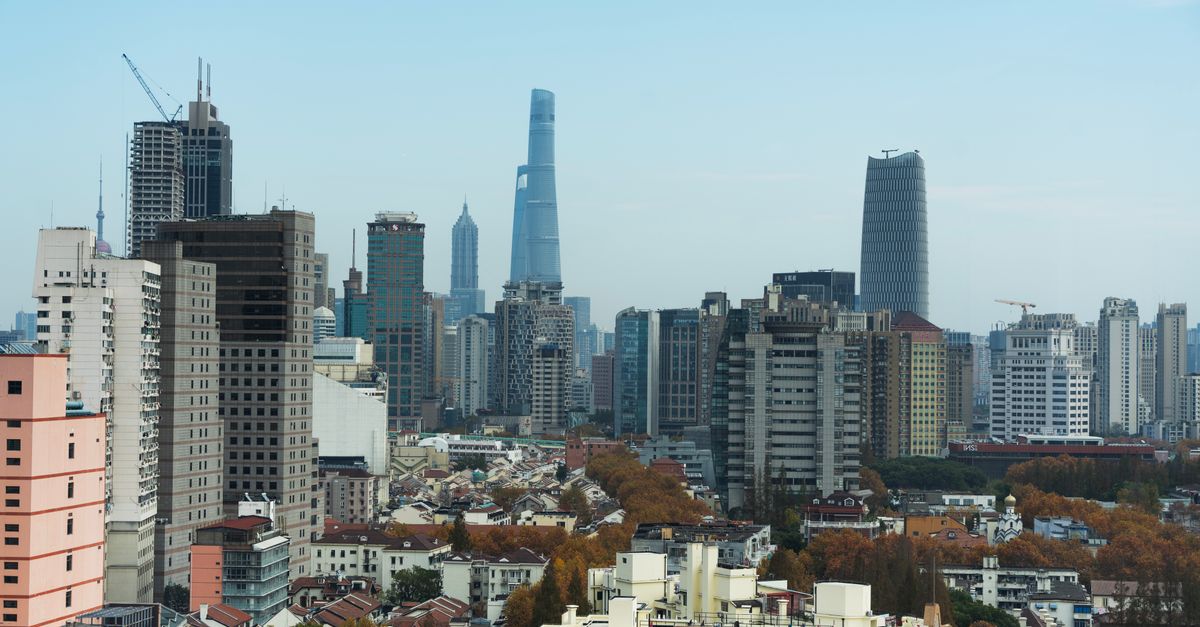
Shifting Away from Traditional Office-Centric Portfolios
Real estate investing is undergoing a structural shift as investors reassess exposure to traditional office assets. Remote and hybrid work, corporate space optimization, and changing employee preferences have reduced long-term demand for conventional office buildings in many markets. Vacancy rates in several major cities remain elevated compared with pre-2020 levels, while leasing terms have become shorter and more flexible. These dynamics are pushing investors to seek resilient, income-generating alternatives that better align with demographic, technological, and economic changes.
Growth of the Industrial and Logistics Real Estate Sector
The broadening footprint of industrial and logistics real estate has emerged as a defining trend, as ongoing e-commerce expansion, rising same-day delivery pressures, and shifting supply chain strategies continue to fuel strong demand for warehouses, distribution hubs, and last-mile sites positioned close to major urban areas.
- E-commerce penetration: Online retail continues to capture a larger share of total sales, increasing the need for modern logistics infrastructure.
- Reshoring and nearshoring: Manufacturers are relocating production closer to end markets, boosting demand for industrial parks.
- Automation-ready facilities: Buildings designed for robotics and high ceiling heights command premium rents.
Investors are attracted by long leases, creditworthy tenants, and comparatively stable cash flows, making industrial real estate a core replacement for office exposure.
Expansion of Residential Alternatives
Residential-focused strategies are expanding well past conventional multifamily apartments, as persistent housing shortages in numerous areas have reinforced robust fundamentals across a wide range of living options.
- Build-to-rent communities: Single-family rental neighborhoods appeal to households seeking space and flexibility without ownership.
- Student housing: Enrollment growth and limited on-campus supply support consistent demand near major universities.
- Senior housing: Aging populations are increasing demand for independent living, assisted living, and memory care facilities.
These sectors often benefit from demographic tailwinds rather than economic cycles alone, offering diversification and long-term growth potential.
Expansion of Alternative and Specialized Assets
Beyond mainstream property types, investors are allocating capital to specialized assets that were once considered niche.
- Data centers: Cloud computing, artificial intelligence, and streaming services require secure, energy-intensive facilities with stable tenants.
- Life science properties: Research laboratories and biotech campuses are expanding alongside healthcare and pharmaceutical innovation.
- Self-storage: Urban density, mobility, and smaller living spaces continue to drive steady utilization rates.
These assets often demand higher technical expertise but can deliver premium returns due to limited supply and high barriers to entry.
Focus on Environmental and Social Outcomes
Environmental, social, and governance considerations are increasingly influencing investment decisions. Buildings with strong energy efficiency, low carbon footprints, and healthy indoor environments tend to attract tenants and investors more easily.
- Green retrofits: Modernizing aging properties with more efficient systems can boost their market worth while trimming long-term operating expenses.
- Regulatory alignment: Meeting increasingly stringent environmental regulations helps limit potential exposure to future compliance challenges.
- Social impact: Initiatives such as affordable housing and community-oriented projects are attracting growing interest from institutional investors.
Sustainability has evolved from a niche preference into an essential pillar for ensuring long-term asset resilience.
Investment Models Powered by Technology
Technology is reshaping not only properties themselves but also how investors access and manage real estate.
- Digital platforms: Fractional ownership and online marketplaces are lowering barriers to entry.
- Data analytics: Advanced modeling improves site selection, pricing strategies, and risk assessment.
- Smart building systems: Sensors and automation enhance efficiency, tenant satisfaction, and asset performance.
These tools enable more flexible portfolio building that moves beyond conventional office assets.
Geographic Rebalancing and Secondary Markets
Capital is increasingly flowing toward secondary and tertiary cities with favorable demographics, lower costs, and pro-business policies. Population inflows, infrastructure investment, and quality-of-life factors are supporting demand for housing, logistics, and mixed-use developments in these areas. Diversifying geographically helps reduce reliance on high-cost, office-heavy urban cores.
An Expanded Understanding of Resilience
The shifting terrain of real estate investment underscores a broader notion of resilience, as properties are judged not only by the revenue they generate now but also by their flexibility, demographic relevance, and fit with enduring social trends; stepping away from a narrow focus on traditional office assets is less a retreat from a single segment and more an effort to assemble well-rounded portfolios capable of performing through economic cycles while adapting to evolving patterns in how people live, work, shop, and age.