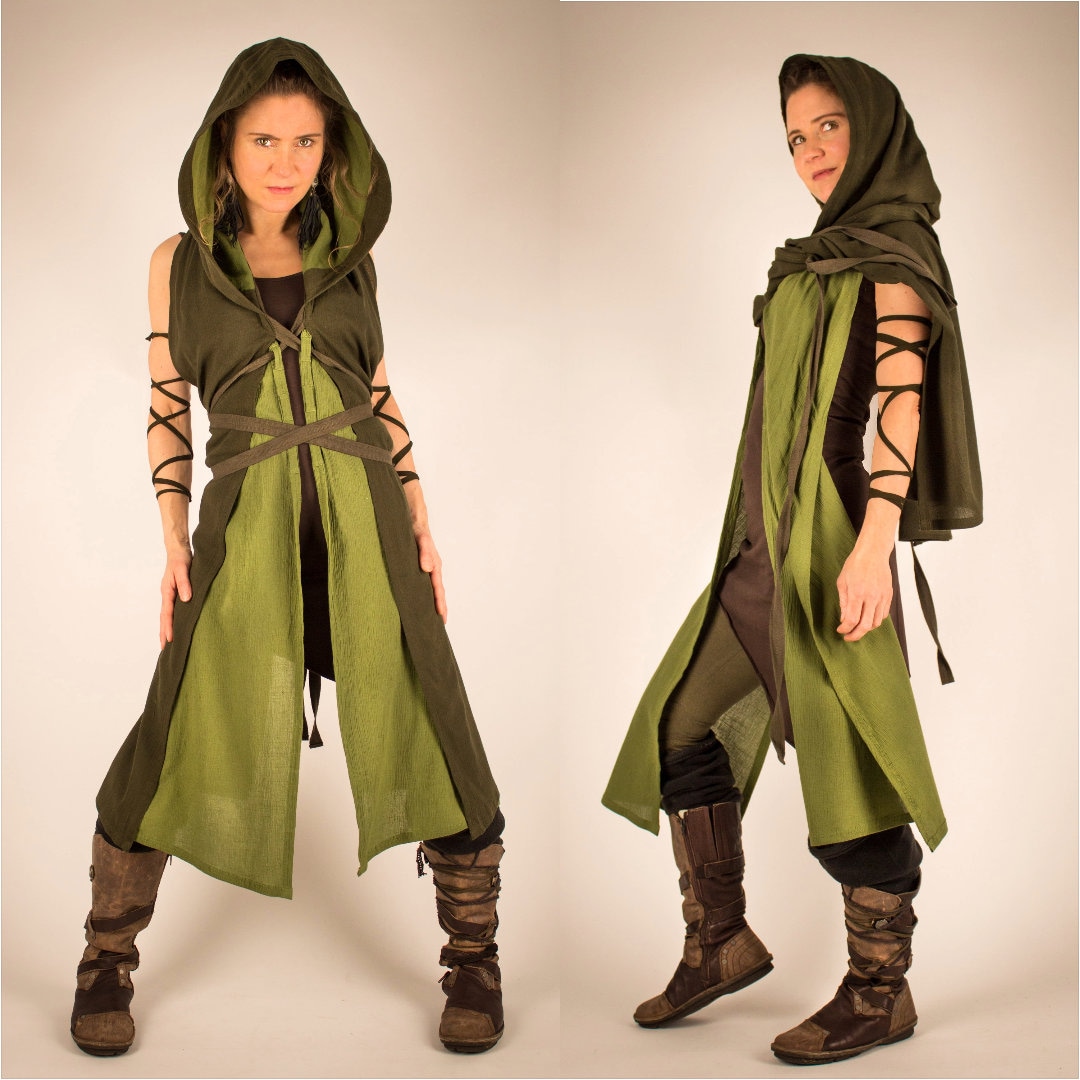
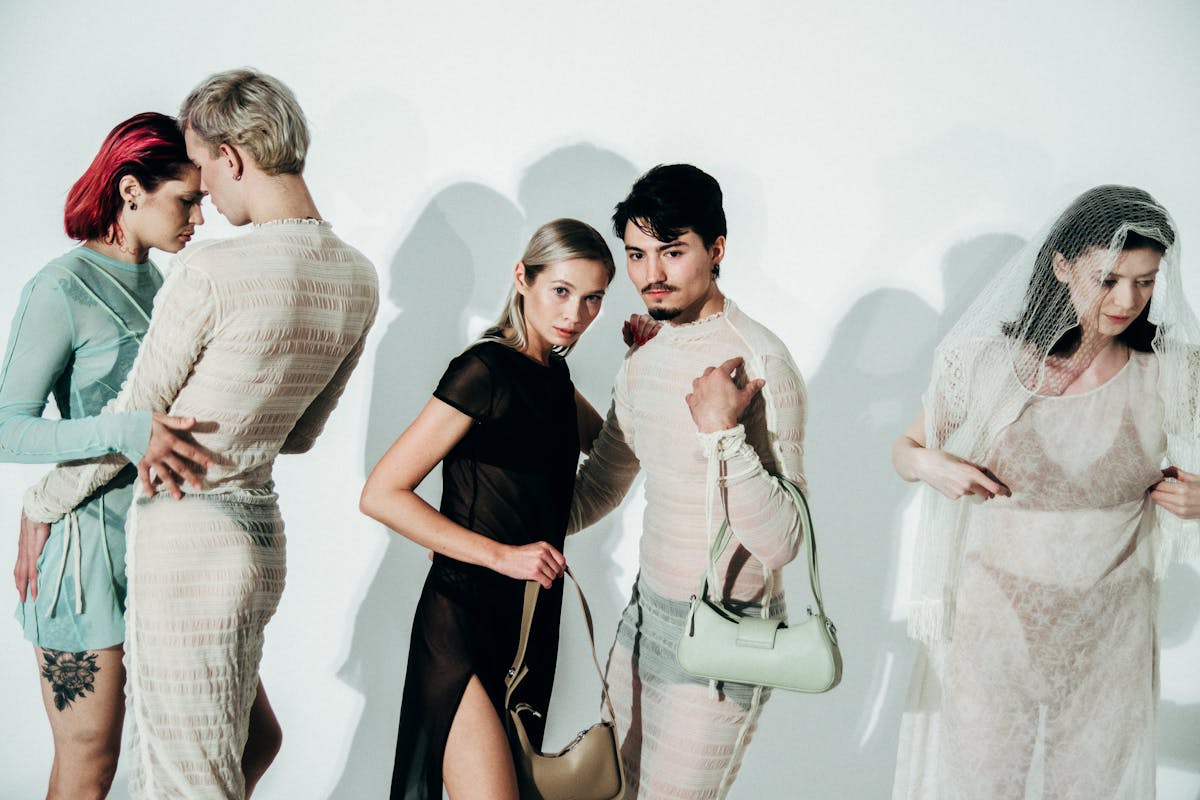
Gender-fluid fashion is a concept that challenges the traditional boundaries set by binary gender norms in clothing. Rather than adhering strictly to masculine or feminine styles, gender-fluid fashion embraces a spectrum of possibilities, allowing individuals to express themselves without limitations imposed by traditional gender roles. This fashion movement not only reflects changing societal norms but also plays an integral role in promoting inclusivity and self-expression.
The Evolution of Gender-Fluid Fashion
Historically, clothing has been a significant marker of gender identity, with distinct styles, colors, and cuts assigned to men and women. However, the late 20th and early 21st centuries have seen a notable shift towards more inclusive fashion. Influences such as the LGBTQ+ rights movement, the rise of social media platforms, and a growing understanding of gender as a spectrum have all contributed to the acceptance and growth of gender-fluid fashion.
Celebrities and influencers have played a pivotal role in popularizing this trend. Icons like David Bowie, Prince, and more recently, Harry Styles, have challenged conventional fashion norms, often wearing clothing typically associated with the opposite gender. These public figures have inspired legions of fans to explore their own styles, free from traditional gender constraints.
Key Traits That Define Gender-Fluid Fashion
Gender-fluid fashion is characterized by versatility and a disregard for traditional gender dichotomies. Key features include:
1. Neutral and Bold Colors: While gendered fashion often associates certain colors with specific genders (e.g., pink for women, blue for men), gender-fluid fashion utilizes a broad palette. It ranges from neutral tones to vibrant, bold shades, emphasizing personal preference over traditional gender norms.
2. Varied Silhouettes: This approach promotes blending traditionally masculine and feminine shapes, allowing, for instance, a gender-fluid person to match crisp tailored trousers with an airy blouse or pair a classically feminine skirt with a sharply structured jacket.
3. Unconventional Patterns and Textures: Designs like florals or polka dots, often associated with femininity, as well as houndstooth and pinstripes, typically linked to masculinity, are used freely without distinction. Blending diverse materials—ranging from lace to leather—pushes back even further against longstanding style norms.
4. Accessory Flexibility: Accessories, formerly viewed through a strict gender lens, have become key elements in gender-fluid style, with pieces such as earrings, necklaces, and bags selected for their visual appeal instead of any gender-based function.
How the Fashion Industry Is Being Affected
The surge in gender-fluid fashion has pushed the fashion world to reconsider its classic design and marketing approaches, prompting many brands to launch gender-neutral collections that emphasize inclusivity and move beyond long-standing boundaries, with standout examples from major fashion houses like Gucci and innovative labels such as Telfar, recognized for offering a fully genderless shopping experience.
Retailers are also redesigning their stores, opting for non-gendered sections and mannequins, thus promoting a shopping experience free from gender constraints. This shift not only makes fashion more accessible but also caters to a wider audience, ultimately benefiting the market as a whole.
Cultural and Social Thoughts
Gender-fluid fashion is more than just a trend; it reflects broader societal changes toward greater acceptance and understanding of diverse identities. It affirms that identity is personal and multifaceted, allowing individuals the freedom to explore who they are without societal pressures.
Moreover, this fashion movement’s impact has sparked broader discussions around gender fluidity, shaping public policy, influencing educational approaches, and affecting how gender is portrayed in the media. As these varied expressions of identity become more widely accepted, society cultivates a deeper sense of inclusion and embraces personal uniqueness.
In essence, gender-fluid fashion represents the forefront of a cultural evolution, where expressions of self are limitless and non-binary. It empowers individuals to define their identities and style narratives on their own terms, fostering a world where inclusivity is the norm rather than the exception. This approach not only enriches fashion but also enhances our understanding of humanity’s diverse tapestry.