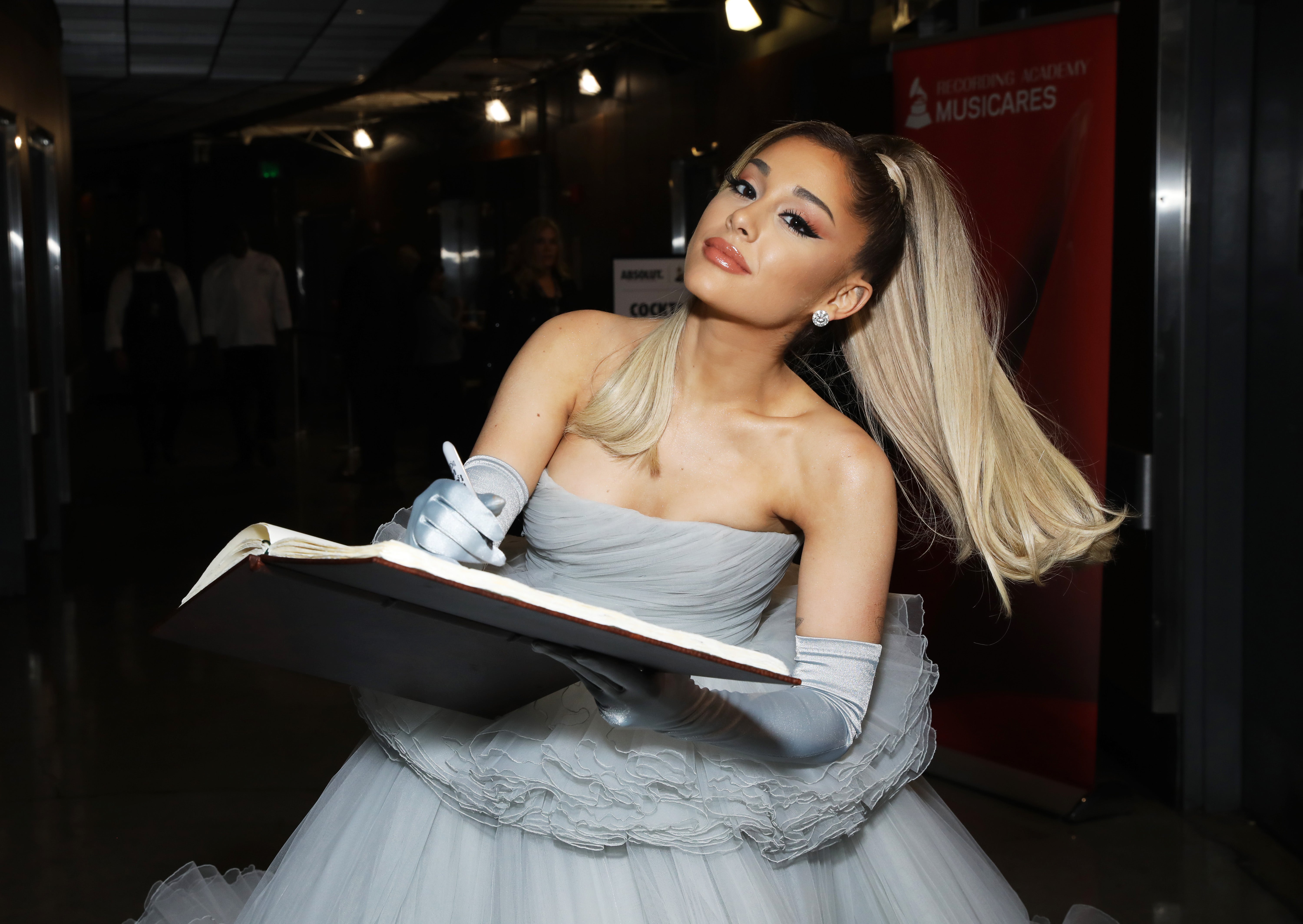
The term outfit serves as a highly adaptable expression in English, carrying several nuances depending on the situation. Its central meaning emerges from the fashion sphere, where it denotes a coordinated collection of garments worn as a unified look. What defines an outfit can shift widely according to cultural influences, specific events, or individual taste, turning it into an engaging topic for both fashion aficionados and language experts.
The Fashion Viewpoint
In the realm of fashion, an outfit is more than just clothing; it is a form of self-expression. Fashion designers and stylists consider various factors such as color palettes, textiles, and accessories to create cohesive ensembles that suit different occasions, such as casual outings, formal events, or professional settings.
For instance, a professional outfit might include a tailored suit, a crisp shirt, a tie, and polished shoes. Conversely, a casual outfit could consist of jeans, a t-shirt, and sneakers. The power of an outfit lies in its ability to convey personality and intent without uttering a single word.
Historical Background and Its Development
Historically, the concept of an outfit has evolved in tandem with social and economic changes. In the 19th century, for example, the Industrial Revolution made ready-to-wear clothing more accessible, influencing how outfits were assembled. Prior to this, individuals often relied on custom-made garments, and outfits were less standardized.
The 20th century saw the rise of mass media and the fashion industry, which introduced influential style icons such as Coco Chanel and Audrey Hepburn, who popularized signature outfits. Chanel’s iconic suit and Hepburn’s little black dress exemplify how certain outfits have left lasting impacts on fashion history.
Cultural Nuances
Globally, the concept of an outfit can take on different meanings and significances depending on cultural traditions and norms. In India, for example, a traditional outfit might include a sari for women and a kurta for men. In Scotland, the kilt is a culturally significant outfit symbolizing national pride.
Cultural influences may also blend to shape hybrid fashion expressions, where Western and Eastern aesthetics intertwine and give rise to attire that draws from several traditions to form something distinctly contemporary.
Mental and Emotional Considerations
The influence of an outfit on both personal psychology and social perception is remarkably significant, with studies indicating that a polished, well-matched ensemble can elevate self-assurance and shape how others judge qualities like intelligence, reliability, and capability, while the concept of enclothed cognition underscores the way the symbolic value of attire can affect an individual’s cognitive functioning.
Additionally, shifts in society often shape which outfits are considered appealing, prompting people to follow style conventions to either blend in or distinguish themselves. The psychological dynamics behind clothing choices are as intricate as fashion itself, influencing both social interactions and personal confidence.
Modern-Day Considerations
In today’s world, choosing an outfit has become an exercise in balancing comfort, aesthetics, and sustainable practices. The modern consumer is increasingly aware of environmental impacts, prompting a shift toward sustainable fashion choices. Brands that focus on eco-friendly materials and ethical production processes are gaining popularity, making the choice of an outfit a reflection not just of style but of values.
Digital platforms have reshaped the ways outfits are displayed, discovered, and exchanged, with social media driving fashion trends worldwide by enabling individuals to present their personal style to broad audiences and expanding the very notion of what an outfit can signify.
By exploring how outfits intertwine cultural heritage, historical context, personal identity, and social interaction, we uncover deeper insights into a core form of human expression, and as fashion keeps transforming, the very idea of an outfit will continue adapting, always mirroring the essence of its era.