Contents
- The Smithsonian National Museum of Natural History (Washington, D.C.)
- The Metropolitan Museum of Art (New York City)
- The J. Paul Getty Museum (Los Angeles)
- The National Gallery of Art (Washington, D.C.)
- The Museum of Modern Art (New York City)
- The Art Institute of Chicago
- The American Museum of Natural History (New York City)
- The National Air and Space Museum (Washington, D.C.)
- The Solomon R. Guggenheim Museum (New York City)
- The Museum of Fine Arts, Boston
- What Shapes the Value of Museum Collections?
- The Broader Meaning of Value
The Smithsonian National Museum of Natural History (Washington, D.C.)
Containing upwards of 145 million artifacts and specimens, The Smithsonian National Museum of Natural History preserves one of the most financially and scientifically precious collections on the planet. Its vast repository encompasses the Hope Diamond—worth hundreds of millions of dollars—alongside comprehensive biological, mineralogical, and paleontological archives that support worldwide scientific inquiry.
Beyond its mere financial worth, the museum’s scientific holdings remain truly priceless. Its extensive fossil collection—featuring legendary dinosaur skeletons—alongside its massive biological archives, delivers essential insights for climate science, biodiversity research, and evolutionary studies. Ultimately, the staggering magnitude and academic weight of its collection elevate it far above any monetary valuation.
The Metropolitan Museum of Art (New York City)
The Metropolitan Museum of Art, frequently referred to as the Met, houses upwards of two million pieces spanning five millennia of human heritage. Within its galleries, visitors discover legendary works by Rembrandt, Vermeer, Monet, and Van Gogh, alongside invaluable antiquities originating from classical Greece, ancient Egypt, and Rome.
Individual artworks within its European assembly can easily fetch upwards of $100 million on the public market. Dating back to 15 BCE, The Met’s Temple of Dendur serves as an ancient Egyptian structure embodying a cultural worth beyond monetary valuation. Thanks to its varied acquisitions, the museum stands out as one of the nation’s most prosperous and culturally significant entities in the United States.
The J. Paul Getty Museum (Los Angeles)
Supported by the Getty Trust, among the world’s most affluent art organizations, the J. Paul Getty Museum houses exceptionally valuable European paintings, illuminated manuscripts, sculptures, and decorative works. Masterpieces by Titian, Caravaggio, and Turner form the core of this renowned collection.
Backed by a multi-billion dollar endowment, The Getty pursues aggressive acquisitions alongside meticulous conservation efforts. Within its vast holding of antiquities and Old Master paintings lie numerous works capable of commanding tens or even hundreds of millions of dollars if ever offered at auction.
The National Gallery of Art (Washington, D.C.)
The National Gallery of Art houses an outstanding collection of American and Western European masterpieces. Notable treasures comprise Leonardo da Vinci’s sole painting residing in the Americas, Ginevra de’ Benci, alongside significant creations by Raphael, Vermeer, and Jackson Pollock.
While the museum does not assign public price tags, comparable works have sold for over $400 million in private transactions. The National Gallery’s combination of rarity, condition, and provenance places its holdings among the most valuable in the country.
The Museum of Modern Art (New York City)
The Museum of Modern Art, known as MoMA, contains more than 200,000 works, including paintings, sculptures, films, and design objects. Its collection includes Vincent van Gogh’s The Starry Night, Pablo Picasso’s Les Demoiselles d’Avignon, and works by Andy Warhol and Frida Kahlo.
Modern and contemporary art prices have surged in recent decades, with comparable works selling for over $100 million. MoMA’s concentration of iconic twentieth-century masterpieces gives it enormous market and cultural value.
The Art Institute of Chicago
The Art Institute of Chicago houses an outstanding assortment of Impressionist and Post-Impressionist masterpieces, featuring iconic works like Georges Seurat’s A Sunday on La Grande Jatte alongside Grant Wood’s American Gothic.
Its holdings of Claude Monet and Pierre-Auguste Renoir paintings are among the most comprehensive outside France. Individual Impressionist works regularly command nine-figure sums at auction, making the museum’s aggregate collection extraordinarily valuable.
The American Museum of Natural History (New York City)
With more than 34 million specimens, the American Museum of Natural History is a global leader in scientific collections. Its dinosaur fossils, including the Tyrannosaurus rex specimen, and the Rose Center for Earth and Space add both educational and scientific worth.
Meteorites, rare gems, and anthropological artifacts further increase the collection’s significance. The scientific data embedded in these objects make them invaluable for ongoing research, often beyond measurable market price.
The National Air and Space Museum (Washington, D.C.)
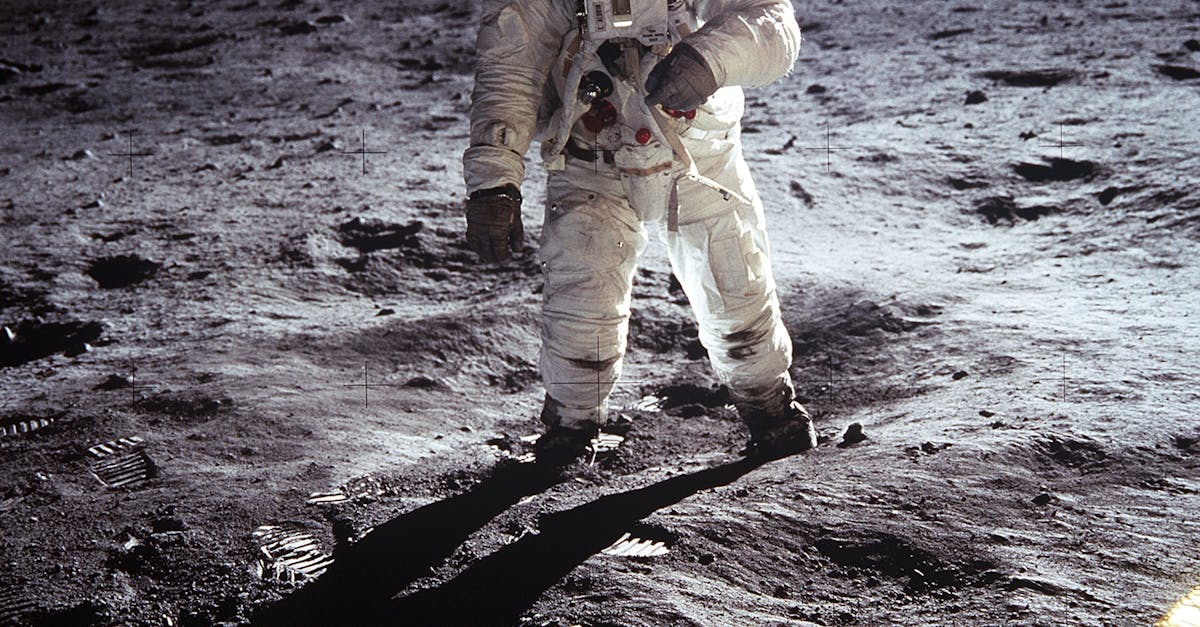
Home to the largest collection of historic aircraft and spacecraft in the world, the National Air and Space Museum preserves artifacts such as the Wright brothers’ 1903 Flyer, Charles Lindbergh’s Spirit of St. Louis, and the Apollo 11 Command Module.
These artifacts represent milestones in human achievement. While they are effectively priceless due to their uniqueness, comparable aerospace artifacts in private sales have reached tens of millions of dollars, underscoring their immense value.
The Solomon R. Guggenheim Museum (New York City)
The Guggenheim’s collection highlights modern and contemporary art, boasting notable concentrations of works by Wassily Kandinsky, Paul Klee, and abstract expressionism. Furthermore, the museum structure conceived by Frank Lloyd Wright enhances the overall architectural significance of its assets.
Major abstract works have sold for over $50 million each, and the Guggenheim’s curated concentration of early modernist masterpieces enhances both financial and scholarly worth.
The Museum of Fine Arts, Boston
One of the most comprehensive museums in the United States, the Museum of Fine Arts, Boston holds more than 450,000 works. Its strengths include Egyptian artifacts, Asian art, and American paintings.
Its selection of John Singer Sargent portraits and ancient Nubian materials stands out globally. The breadth and depth of its holdings, combined with high-value European and American masterpieces, make it one of the most valuable repositories of art in the nation.
| Museum | Location | Collection Focus | Notable Holdings |
|---|---|---|---|
| Smithsonian National Museum of Natural History | Washington, D.C. | Natural history and science (145M+ specimens and artifacts) | Hope Diamond, dinosaur skeletons |
| The Metropolitan Museum of Art | New York City | Art spanning 5,000 years (2M+ works) | Rembrandt, Vermeer, Temple of Dendur |
| The J. Paul Getty Museum | Los Angeles | European paintings, manuscripts and antiquities | Titian, Caravaggio, Turner |
| The National Gallery of Art | Washington, D.C. | Western European and American art | Leonardo da Vinci’s Ginevra de’ Benci, Raphael, Vermeer |
| The Museum of Modern Art (MoMA) | New York City | Modern and contemporary art (200,000+ works) | The Starry Night, Les Demoiselles d’Avignon |
| The Art Institute of Chicago | Chicago | Impressionist and Post-Impressionist art | A Sunday on La Grande Jatte, American Gothic |
| The American Museum of Natural History | New York City | Natural history and science (34M+ specimens) | Tyrannosaurus rex fossil, meteorites, rare gems |
| The National Air and Space Museum | Washington, D.C. | Historic aircraft and spacecraft | 1903 Wright Flyer, Spirit of St. Louis, Apollo 11 Command Module |
| The Solomon R. Guggenheim Museum | New York City | Modern and abstract art | Kandinsky, Klee, Frank Lloyd Wright building |
| The Museum of Fine Arts, Boston | Boston | Encyclopedic collection (450,000+ works) | Egyptian and Nubian artifacts, John Singer Sargent portraits |
What Shapes the Value of Museum Collections?
The value of a museum collection is shaped by several factors:
- Market Value: Comparable auction prices and private sales.
- Rarity: Unique or singular objects with no equivalents.
- Provenance: Clear ownership history increasing authenticity and worth.
- Scholarly Importance: Research potential and academic impact.
- Cultural Significance: National or global historical relevance.
Frequently, the most critical elements enjoy legal protection and cannot be commercialized, rendering their genuine value theoretical instead of transactional.
The Broader Meaning of Value
The most valuable museum collections in the United States represent more than accumulated wealth. They embody scientific discovery, artistic genius, and collective memory. Their financial valuations may reach into the billions, yet their deeper worth lies in accessibility, preservation, and education. By safeguarding humanity’s most significant achievements and natural wonders, these institutions transform material objects into shared cultural capital that shapes identity, inspires innovation, and anchors historical understanding for generations to come.