Self-care is not merely a luxury or an indulgence; it represents a fundamental habit that supports mental well-being within an ever more intricate global landscape. With stressors in modern existence continually escalating—from the pressures of the digital era to financial instability and shifting social interactions—the critical role of self-care has garnered increasing scholarly and medical focus. Grasping the significance of self-care for mental health necessitates a comprehensive analysis that includes psychological, physiological, and societal viewpoints.
The Psychological Impact of Self-Care
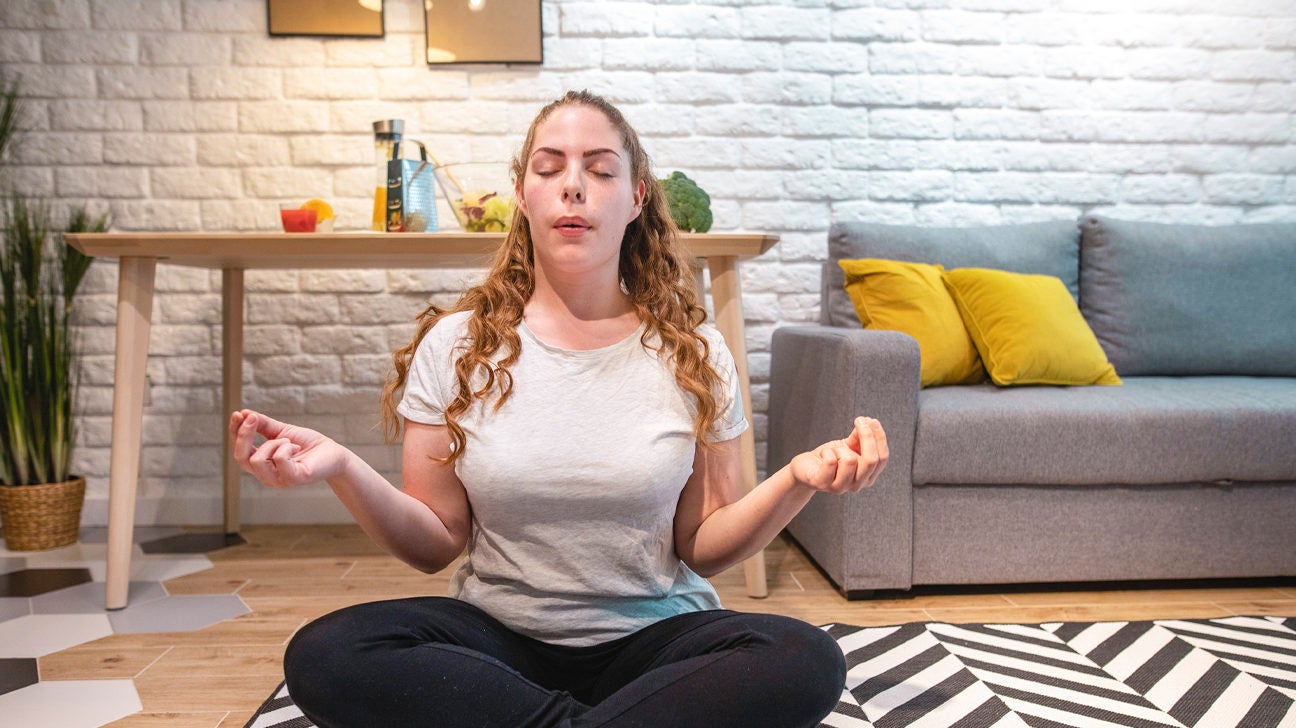
At its essence, self-care involves deliberate activities and habits that people adopt to foster their emotional and mental well-being. The American Psychological Association identifies self-care as a vital element in averting burnout, depression, and anxiety. By consistently participating in self-care routines, including journaling, therapy, meditation, or even artistic endeavors, individuals build mental fortitude against detrimental thought processes and emotional depletion.
A notable study published in the Journal of Health Psychology demonstrated that individuals who implemented structured self-care routines experienced significant reductions in perceived stress and improvement in mood regulation. For example, university students who participated in guided mindfulness practices reported higher levels of self-compassion and lower instances of academic burnout. These findings highlight how consistent self-care fosters healthier coping mechanisms and emotional stability.
The Physical Repercussions of Ignoring Personal Well-being
Mental well-being is intrinsically connected to physical health. A consistent disregard for self-care practices is associated with various bodily symptoms, such as sleeplessness, tiredness, migraines, and a compromised immune system. The ongoing stimulation of the body’s stress reaction, referred to as the hypothalamic-pituitary-adrenal (HPA) axis, resulting from insufficient restorative self-care, leads to sustained high levels of cortisol. Continuously elevated cortisol is connected to anxiety conditions, issues with memory, and reduced mental capabilities.
Conversely, integrating self-care methods such as adequate sleep hygiene, balanced nutrition, and regular physical activity has a measurable effect on neurobiological function. Research from Harvard Medical School indicates that individuals practicing mindful movement (like yoga or tai chi) not only exhibit lower stress hormones but also demonstrate improved neurosynaptic plasticity, a key factor in mental flexibility and emotional regulation.
Societal Factors and the Stigma Surrounding Self-Care
Cultural attitudes continue to play a significant role in shaping perceptions of self-care. In many environments, especially within high-achieving professions or collectivist societies, self-care may be misconstrued as selfishness or weakness. This stigma discourages individuals from availing themselves of essential mental health resources and normalizing rest. For instance, case studies from the healthcare sector during the COVID-19 pandemic indicate that lack of self-care among frontline workers led to widespread cases of compassion fatigue and psychological burnout.
Nevertheless, companies that actively encourage {{self-care}}—through implementing flexible working hours, offering mental health days, or incorporating wellness initiatives—observe not only better employee mental well-being but also increased output and staff retention. This highlights the crucial part that social frameworks and shared perspectives have in either intensifying or reducing mental anguish.
Tailored Strategies: Not All Solutions Are Universal
Self-care is not a monolith. What works for one individual may not be effective for another, and effective self-care routines must be tailored to unique needs, lifestyles, and predispositions. For example, while extroverted individuals might find social interaction rejuvenating, introverted persons could derive greater benefit from solitary reflection. Moreover, socioeconomic status and access to resources greatly influence the feasibility of self-care practices.
New digital platforms are starting to close certain accessibility gaps. Mobile health apps currently provide guided meditation, mood monitoring, and online therapy, allowing more people to practice daily self-care. Initial findings from the National Institutes of Health show that individuals who utilized app-based self-care programs experienced a 31 percent decrease in self-reported anxiety symptoms over a ten-week period.
The Importance of Self-Care for {{Prevention}} and {{Recovery}}
Self-care functions as both a preventive and recuperative tool in mental health. By establishing routines that support psychological balance, individuals not only reduce their vulnerability to mental health crises but also accelerate recovery from episodes of anxiety, depression, or trauma. Cognitive-behavioral therapy and dialectical behavior therapy both emphasize the cultivation of self-care skills as part of relapse prevention and long-term well-being.
Highly publicized accounts of athletes, performers, and public figures address the importance of regular self-care in maintaining their mental health amidst high-pressure environments. Documentaries profiling Olympic athletes, for instance, often reveal that structured recovery periods and mindfulness routines are as critical as physical training regimens. These narratives serve as powerful reminders that sustainable success, well-being, and resilience are deeply intertwined with ongoing self-care.
The field of mental well-being is undergoing swift changes, reflecting the understanding that self-care is neither a luxury nor an insignificant activity. Whether implemented through minor, deliberate actions or more extensive approaches, self-care enables people to more effectively manage their inner struggles and external pressures. Both studies and personal accounts demonstrate that dedicating time to self-care establishes a consistent defense against the unpredictability of contemporary existence, providing individuals with fortitude, flexibility, and a heightened understanding of themselves. This continuous dedication forms the foundation of mental vigor, fostering development and equilibrium amidst ambiguity.